
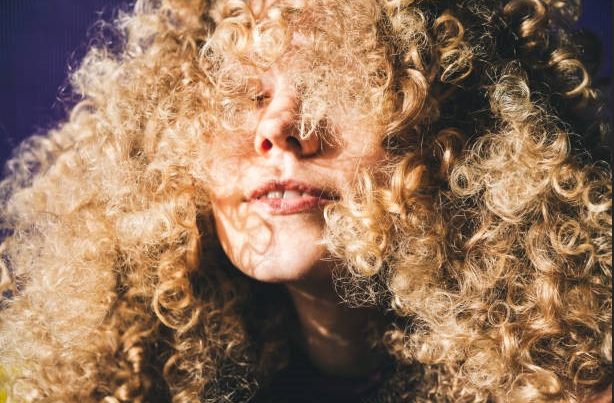
What makes a hair replacement system look like it actually belongs to the person wearing it?
Color and haircut certainly matter, but two details have a major influence on the final result: hair texture and density. Texture determines how the hair behaves, falls, curls, and responds to styling. Density determines how much hair is distributed across the system and how full it appears.
When these details are chosen carefully, custom hair solutions can work with a person’s existing hair, facial features, age, and preferred style instead of looking separate from them. Understanding both is especially important before a system is designed, because simply choosing “straight” hair or “medium” density does not tell the whole story.
What Do Hair Texture and Density Actually Mean?
Although the terms are often used together, they describe two different characteristics.
Hair texture can refer to characteristics of the individual strands, including how fine or coarse they are, as well as the visible hair pattern, such as straight, wavy, curly, or tightly curled hair. In hair replacement, both strand characteristics and curl or wave pattern can matter when trying to create a close match.
Hair density, on the other hand, describes how much hair is present within a given area. In a hair system, it affects how full or light the finished hair looks.
Think about two men who both have short, wavy brown hair. One may naturally have thick, full coverage around the sides and back, while the other has finer, less dense hair. Giving both men exactly the same replacement hair would not necessarily produce the same natural-looking result.
That is why hair texture and density need to be considered together rather than selected independently.
Why Hair Texture Matters in a Custom Hair Solution
Matching texture is about more than choosing between straight and curly hair.
Hair has movement. It bends, separates, lies against the head, reacts to moisture, and changes depending on how it is cut and styled. If replacement hair behaves very differently from the client’s existing hair, the difference may become noticeable even when the color is a close match.
The Curl or Wave Pattern Needs to Work with Existing Hair
If a person still has natural hair around the sides or back, the replacement hair usually needs to transition into it smoothly.
Imagine naturally wavy hair around the sides, combined with replacement hair that is very straight. A barber may be able to improve the blend through cutting and styling, but the difference in movement can still become apparent.
The same issue can happen when the replacement hair is much curlier than the surrounding natural hair.
This does not mean every strand needs to look identical. Natural hair itself contains variation. The goal is to choose a compatible pattern so the replacement and existing hair can behave like parts of the same hairstyle.
Strand Characteristics Affect the Finished Look
The individual hair strands matter too.
Fine hair tends to create a softer visual effect, while coarser strands can appear stronger and more substantial. If replacement hair is significantly heavier or coarser than the client’s existing hair, the transition between the two areas can become harder to disguise.
This is one reason professional hair replacement services should assess the hair that remains rather than choosing a system based only on a photograph or general style preference.
The question is not simply, “What type of hair do you want?”
It is also, “What type of hair will work naturally with what you already have?”
Why Hair Density Matters Just as Much as Texture
It can be tempting to assume that more hair automatically means a better hair system. In practice, too much density can be just as noticeable as too little.
The right density should make sense for the individual.
Several factors can influence that decision:
- Existing hair density: Replacement hair needs to transition naturally into the hair around it.
- Age: Hair density commonly changes with age, so extremely heavy density may not always create the most believable result.
- Hairline design: The front of the system often needs careful density planning because this area is highly visible.
- Hair length: Density can appear different depending on whether the finished style is closely cropped or longer.
- Texture: Curly or wavy hair can create more visual volume than straighter hair at a similar density.
- Preferred hairstyle: A brushed-back style may expose different areas of the system than a forward or textured cut.
This is why hair texture and density cannot be judged by numbers alone. What appears light to one person may look completely appropriate to another.
How Texture and Density Work Together
This is where customization becomes particularly important. Texture changes the way we visually perceive density.
Curly and tightly curled hair can occupy more visible space because bends and curls create volume. Straight hair generally lies closer together, so the same amount of hair may appear different when compared with a curlier texture.
Hair thickness can affect that perception, too. A system made with finer individual strands may need a different approach from one using noticeably coarser strands.
Consider these examples:
- Fine, straight hair with heavy density may appear unusually full.
- Thick, wavy hair with density that is too light may not blend with fuller natural sides.
- Curly hair may achieve the desired visual fullness without requiring very heavy density.
- A short hairstyle may expose density differences more clearly because there is less length available for blending.
The goal is therefore not to find the “best” texture or “best” density. It is to find the combination that makes sense for the person wearing the system.
That distinction is central to natural-looking custom hair solutions.
How Professionals Match Hair Texture and Density
A proper match starts with observing the client’s existing hair.
When enough natural hair remains, particularly around the sides and back, it provides useful information about strand characteristics, wave or curl pattern, density, direction, and color.
A professional may consider:
Existing Hair
The remaining natural hair is one of the most useful references. The replacement hair should be selected so it can transition into these areas without an obvious change in fullness or texture.
Hair Loss Pattern
Where the replacement is needed also matters.
Someone replacing hair primarily across the top may require careful blending into existing sides and back. Someone experiencing more extensive loss may have different matching considerations because there is less natural hair available as a reference.
People experiencing conditions such as alopecia may also have very different patterns and amounts of hair loss. An alopecia clinic or qualified medical professional can evaluate the cause and condition when medical assessment is required, while a trained hair replacement provider can focus on designing an appropriate cosmetic solution.
Reference Photos
Older photographs can be surprisingly useful.
If someone has experienced significant hair loss, photos from before the loss may show their previous curl pattern, fullness, hairline, and typical hairstyle. These references can help communicate what the client wants to recreate without assuming that the goal is simply “more hair.”
Lifestyle and Styling Preferences
A technically accurate match still needs to suit everyday life.
Someone who wants to wake up, make a few adjustments, and leave the house may need a different solution from someone who is comfortable spending more time styling their hair. Likewise, a person who prefers a neat, short cut has different blending requirements from someone who wants longer curls or waves.
Good hair texture and density choices should support the hairstyle the client actually intends to wear.
Why the Hairline Needs Special Attention
The hairline is one of the first areas people may notice, particularly with hairstyles that expose the forehead.
A natural hairline is not simply a perfectly straight border filled with the maximum possible amount of hair. Natural hairlines can have subtle variations in placement, direction, and density.
Putting very heavy density immediately at the front may make the transition appear too abrupt. Depending on the client’s natural features and chosen system, a softer transition at the front can create a more believable appearance.
Hair direction matters here as well. Replacement strands need to sit in a way that supports the intended hairstyle rather than fighting against it.
For clients who prefer a sharp line-up haircut, this becomes an important conversation with the barber or hair replacement professional. The finished edge should suit both the desired haircut and the construction of the hair system. Cutting or shaping a replacement hairline requires an understanding of where the system begins and how much adjustment it can safely tolerate.
What Happens When Texture or Density Is Mismatched?
A mismatch does not always mean the system itself is poor quality. Sometimes, the individual specifications simply do not suit the wearer.
- When the hair texture and density are not well-matched, you may notice:
- A visible difference between the replacement hair and natural sides
- More fullness on top than the surrounding hair can support visually
- Replacement hair that moves differently from existing hair
- A front hairline that looks unusually heavy
- Difficulty maintaining the intended hairstyle
- Extra reliance on products or styling to disguise the transition
This is also why photographs of another person’s hair system should be treated as inspiration rather than an exact formula.
A density and texture combination that looks convincing on one person may not produce the same result on someone with different natural hair, facial features, age, or styling preferences.
What Should You Discuss Before Ordering Custom Hair?
Before committing to custom hair solutions, it helps to have a detailed conversation about what you want and what your existing hair can support.
Bring clear photographs of hairstyles you like, but also be prepared to discuss your normal routine. Tell the provider whether you prefer straight, wavy, or curly styling and whether you usually expose or cover the hairline.
Useful questions include:
- How closely can the texture be matched to my existing hair?
- What density would blend best with my sides and back?
- Will the density look appropriate with my preferred haircut?
- How will the front hairline be designed?
- Can the texture be restyled, and are there limitations?
- How might the hair change with regular washing and wear?
- What will happen if my natural hair density changes over time?
This conversation is especially important for a first system. Once you have worn it for a while, you may discover that you prefer slightly more or less density, a different wave, or another styling direction. Those observations can help refine future systems.
Final Words
A convincing hair system is not necessarily the one with the most hair, the thickest strands, or the most dramatic transformation. Often, it is the one where the individual details make sense together.
Your hair texture and density, existing hair, preferred haircut, hairline, lifestyle, and styling habits all contribute to that balance. When these details are considered before the system is designed and then supported by skilled cutting and blending, the finished hair can feel much more personal to the wearer.
Schedule a consultation with Mane Illusions to discuss the texture, density, fit, and style that can work best for your custom hair solution.
FAQs
Can hair system density be changed after the system is made?
Some excess density may be reduced by a professional, depending on the system, but adding significant density later is more complicated and may not always be practical. It is better to discuss the desired fullness carefully before a custom system is ordered.
Does hair system texture change after washing?
Human hair may behave somewhat differently after washing and styling, particularly if it has been processed. Synthetic hair usually has manufacturer-specific care and styling limitations. Ask your provider how the selected hair is expected to behave after regular washing before choosing it.
Should I bring old photos if I no longer have enough natural hair for texture matching?
Yes. Clear older photographs can give the provider useful visual references for your previous texture, density, hairline, and hairstyle. Photos taken from different angles are especially helpful.
Should I choose a professional who has completed a barber cosmetology course?
Training can be a useful factor when choosing someone to cut and blend a hair system. A professional who has completed a barber cosmetology course may have broader knowledge of haircutting, texture, styling, and hair care. However, you should also ask about direct experience with hair replacement systems, since blending and cutting a system requires skills specific to replacement hair.
Leave a Reply