
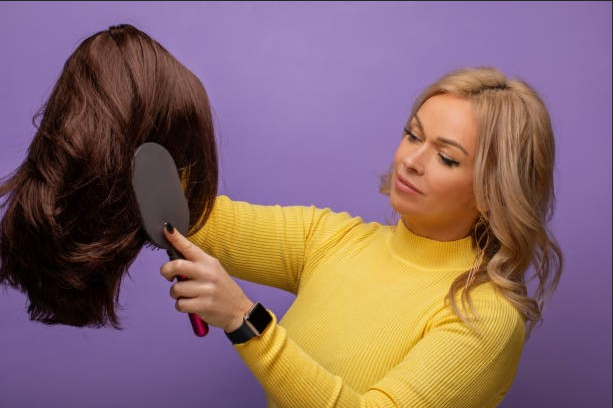
Once you start wearing a hair system, two practical questions quickly come up: how often will it need professional maintenance, and how will you know when it is time to replace it?
The answer depends on more than how long you have owned the system. The base material, attachment method, daily wear, scalp oil, sweating, styling habits, and home care can all affect its maintenance schedule and lifespan. Some systems are intentionally delicate, while others are made with durability in mind.
Knowing the difference between routine maintenance and actual replacement can help you plan ahead, protect your system, and avoid waiting until it becomes uncomfortable or difficult to wear.
How Often Should a Hair System Be Maintained?
Many professionally attached hair systems need maintenance roughly every 2 to 6 weeks, although there is no universal schedule for every wearer or every system.
Your natural hair continues to grow while you wear the system, and your scalp continues producing oil and sweat. Adhesive can also gradually break down. As these changes occur, you may notice lifting, buildup, changes in fit, or a less seamless blend between the system and your growing hair.
How frequently you need an appointment can depend on:
- Attachment method: Tape, liquid adhesive, clips, and removable systems have different servicing requirements.
- Scalp oil and sweat: Oil and frequent sweating may affect how well some adhesives hold.
- Natural hair growth: Hair growing beneath or around the system may eventually need trimming and blending.
- Exercise and swimming: Regular workouts and time in pools or the ocean can affect both the attachment and the hair.
- Climate: Heat and humidity can influence sweating and adhesive performance.
- Wear frequency: Someone wearing a system every day may have different care needs from someone who removes theirs regularly.
Your provider can give you an initial schedule based on your particular hair system. That schedule can then be adjusted after seeing how the system, scalp, and attachment behave between appointments.
What Does Hair System Maintenance Usually Include?
Professional maintenance is about more than making the hair look freshly styled. It also gives the provider an opportunity to clean, inspect, reposition, and properly secure the system.
Depending on the type of system and attachment, an appointment may include:
- Carefully removing the system when necessary
- Cleaning the scalp and attachment area
- Removing old adhesive or tape residue
- Cleaning the base according to its care requirements
- Checking the base for stretching, tears, or other wear
- Trimming natural hair growth where needed
- Applying fresh tape or adhesive
- Repositioning and securing the system
- Blending and styling the hair
Not every appointment will involve exactly the same steps. A removable system, for example, will have different needs from one designed for extended wear.
Regular servicing also creates an opportunity to catch small issues earlier. A slightly worn attachment area may be manageable now, but it will become more difficult to address if it continues deteriorating.
How Often Should a Hair System Be Replaced?
A hair system does not have one standard replacement date.
Depending on its construction and how it is worn, a system may last from several weeks to several months, while some more durable options may remain usable for longer. Your provider or manufacturer should give you a more useful expected lifespan for the specific system you choose.
One major factor is the base material.
Very thin skin and delicate lace bases can be chosen for their lightweight feel and less noticeable appearance. However, finer materials may also require more careful handling. Thicker or more durable bases may tolerate longer use, although they can offer a different feel and appearance.
The hair itself also affects longevity. Human hair can gradually become dry, faded, tangled, or harder to style because it is no longer receiving natural oils from the scalp. Washing, sun exposure, friction, swimming, and heat styling can contribute to wear over time.
Synthetic systems have their own care requirements, particularly when it comes to heat and styling products.
This is why replacement should not be based solely on the calendar. Two people who purchased their systems on the same day may not need replacements at the same time.
Signs It May Be Time to Replace Your Hair System
How your system looks, feels, and performs can tell you more than its age alone. Some problems can be corrected during routine maintenance, but others suggest that the system is reaching the end of its usable life.
Look for these signs:
- The base is stretched or damaged: Tears, stretching, or weakened areas can make secure attachment increasingly difficult.
- Shedding has reduced the density: Some shedding occurs with wear, but substantial hair loss can leave areas looking noticeably thinner.
- The hair has become difficult to manage: Persistent tangling, dryness, fading, or roughness that no longer improves with appropriate care can indicate advanced wear.
- The hairline looks worn: Delicate materials around the front can deteriorate over time and become harder to position naturally.
- The system no longer fits properly: Changes to the base or your own hair and scalp can affect how securely the system sits.
- Repairs are becoming frequent: Repeated repairs may eventually stop being practical compared with replacing the system.
- Your preferred look has changed: You may want a different density, texture, color, length, or hairline placement.
You do not necessarily need to wait until a hair system is completely unusable before ordering another one. Planning replacement while the current system is still wearable can prevent an inconvenient gap between systems.
Maintenance or Replacement: How Do You Know Which One You Need?
This distinction becomes easier when you look at what is causing the problem.
If your hair system is lifting because the adhesive has worn down, your natural hair needs trimming, or there is normal residue around the attachment, routine maintenance may solve the issue. The system itself may still be in good condition.
Replacement becomes more appropriate when the physical condition of the system has noticeably deteriorated.
For example, imagine that your hairline begins lifting three weeks after an appointment, but the base and hair remain in good condition. That is likely a maintenance issue. If the base has started tearing and the front has lost enough hair that it no longer creates the desired coverage, simply applying fresh adhesive will not correct the underlying wear.
You can think about it this way:
Maintenance addresses normal wear and upkeep. Replacement addresses a system that can no longer provide the fit, appearance, or condition you need.
A provider offering hair restoration services and non-surgical replacement options can inspect the system rather than asking you to judge its condition on your own. This can be especially helpful when you are unsure whether repair is still worthwhile.
How to Help a Hair System Last Longer
You cannot prevent normal wear indefinitely, but appropriate care can help you avoid unnecessary damage. Start by following the instructions for your specific system. Base materials and hair types vary, so a care routine that works well for one hair system may not be appropriate for another.
A few habits can make a meaningful difference:
- Wash gently. Avoid aggressively rubbing or scrubbing the hair, particularly near delicate base areas.
- Use recommended products. Ask which shampoos, conditioners, adhesive removers, and styling products are suitable for your system.
- Control heat. Excessive heat can dry human hair and may damage certain synthetic fibers.
- Detangle carefully. Work gently rather than pulling through knots, which can increase shedding or stress the base.
- Avoid picking at the attachment. If an edge begins lifting, ask how it should be handled instead of repeatedly pulling or applying random adhesives.
- Consider friction. Sleeping, helmets, hats, and other repeated contact can contribute to wear.
- Keep maintenance appointments. Waiting well beyond the recommended schedule can allow buildup and attachment problems to become harder to manage.
- Discuss your lifestyle. If you swim, exercise heavily, work outdoors, or sweat frequently, ask whether your routine requires different care.
Good maintenance does not mean treating your hair as if it were too fragile to touch. The goal is to learn which habits help you comfortably live with it without causing unnecessary wear.
Conclusion
Your hair system should feel like something you know how to manage, rather than something you have to constantly worry about.
A maintenance schedule gives you a routine for professional cleaning, attachment, inspection, and blending. A replacement plan gives you time to choose or order your next system before the current one becomes difficult to wear.
Mane Illusions provides custom hair solutions based on the client’s hair, appearance, and individual needs. If you are already wearing a system or considering one for the first time, professional guidance can help you understand both the immediate upkeep and the longer-term commitment. Book an appointment today.
FAQs
Can I sleep while wearing a hair system?
It depends on how the system is designed and attached. Many extended-wear systems are worn overnight, while removable options may be taken off before sleeping. If you sleep in yours, ask your provider about nighttime care because repeated friction against a pillow can contribute to tangling and wear.
Should I buy my replacement before my current hair system wears out?
It can be helpful, particularly if your system is custom-made or requires ordering time. Having the next one ready can prevent you from being left without a wearable system if the current one deteriorates sooner than expected.
Can I get a kid’s haircut if my child has thinning hair?
A kid’s haircut can be adapted around visible thinning or differences in density, but unexplained hair loss in a child should be medically evaluated. A haircut can change the appearance of the hair, but it cannot determine or treat the cause of hair loss.
Should I choose a professional who has taken a hair-cutting workshop?
Yes, additional training can be a helpful factor when choosing someone to cut and blend your hair system. A professional who has completed a hair-cutting workshop may have stronger skills in cutting, shaping, and blending different hair types. However, it is also important to look for specific experience with hair systems, since working with replacement hair requires an understanding of the base, density, hairline, and blending techniques.
Leave a Reply