
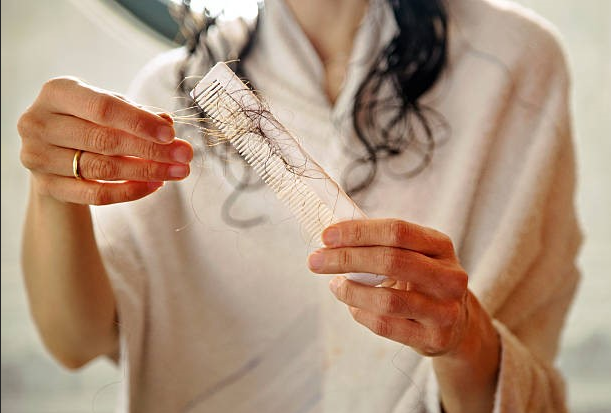
Noticing your hair getting thinner can leave you with more questions than answers. Is it normal shedding? Is something affecting your scalp? Can the hair be restored, or would another solution make more sense?
A hair loss consultation is designed to replace some of that uncertainty with useful information. Rather than jumping straight into a product or treatment, the process looks at your hair, scalp, history, concerns, and goals. At Mane Illusions, this process includes an initial assessment, in-clinic microscopic analysis, and a custom plan based on what is found.
So, what should you expect when you walk in, and what should you do before your appointment?
What Is a Hair Loss Consultation?
A hair loss consultation is an appointment focused on understanding what is happening with your hair and scalp and discussing appropriate next steps.
That distinction matters because hair loss is not one single condition. Hereditary hair loss is common, but shedding and thinning can also be associated with certain illnesses, medications, tight hairstyles, scalp conditions, and other factors. The American Academy of Dermatology (AAD) notes that identifying the cause is important because different forms of hair loss can require different approaches.
A consultation, therefore, should not begin with the assumption that every client needs the same service.
It may also help determine whether your concern belongs within the scope of a trichology or hair restoration service or whether you should see a dermatologist or another medical professional. This is an important boundary. A salon or trichology consultation can provide a valuable hair and scalp assessment, but medical diagnosis and treatment should be handled by an appropriately licensed healthcare professional when needed.
What Happens During a Hair Loss Consultation?
1. You Talk About What You Have Been Noticing
The first part is usually a conversation.
When did you first notice thinning? Has your hairline gradually changed over several years, or did shedding seem to start suddenly? Is the loss concentrated around one area? Does your scalp itch, burn, flake, or feel tender?
These details can provide useful context.
Hair loss does not always follow the same pattern. The AAD explains that it can appear as gradual thinning, a receding hairline, slowly developing bald spots, or more sudden shedding. Some types can also occur alongside scalp symptoms such as itching, tenderness, scaling, or redness.
Do not worry about using technical language during your appointment. Simply describe what you have seen and when you began noticing it.
2. Your Hair and Scalp Are Examined
Next comes the physical assessment. A specialist may look at areas of thinning, the distribution of hair across the scalp, visible scalp conditions, hair breakage, and other characteristics that could help explain what is happening.
This is the process that moves from consultation intake to microscopic analysis and then to a custom treatment plan.
Magnified examination can reveal details that are difficult to see with the naked eye. Dermatologists also use magnifying tools when evaluating certain forms of alopecia because they provide a closer view of the scalp and hair.
The purpose of a hair loss consultation is not simply to identify where hair is missing. It is to better understand the condition of the hair and scalp as a whole.
3. Your Hair History May Be Discussed
Your current hair tells only part of the story. How you have cared for it over time can also matter. You may be asked about your normal routine, previous chemical services, hairstyles, products, grooming practices, and other treatments you have tried.
For example, repeatedly wearing hairstyles that place significant tension on the hair can contribute to traction alopecia. This does not mean your grooming routine is automatically responsible for your hair loss. It simply means that your hair history provides useful information.
This is also where professional knowledge of hair texture becomes important. Different textures can behave differently when cut, styled, chemically treated, or placed under tension. Knowledge developed through professional training, including a hair texture course, can help professionals understand how texture affects appropriate hair care and styling choices.
4. Your Health History May Come Up
Do not be surprised if the conversation in a hair loss consultation goes beyond shampoo and haircuts.
You may be asked about your general health, medications, family history, diet, recent illnesses, or significant changes that occurred before you noticed the shedding. Medical hair loss evaluations commonly consider these factors because hair loss can have many possible causes.
Be as accurate as you can. Something that seems unrelated to your hair may still be useful information.
However, some questions require medical evaluation rather than a salon-based answer. Depending on your symptoms and history, you may be advised to speak with a dermatologist or physician.
5. What a Hair Loss Specialist Looks for During the Assessment
During your hair loss consultation, the specialist is not simply looking at how much hair you have lost. They are also paying attention to the pattern of thinning, the condition of the scalp, hair breakage, visible changes in density, and whether different areas of the scalp appear to be affected in different ways.
They may also compare what they see with the information you shared earlier in the appointment. For example, gradual thinning around the hairline may tell a different story from sudden shedding across the entire scalp.
The purpose of this assessment is to gather enough information to understand what may be contributing to the changes you are seeing and what kind of next step would make sense.
A professional should also know when something falls outside their scope. If the scalp shows symptoms that may need medical attention, or if the cause of the hair loss is unclear, you may be advised to speak with a dermatologist or another healthcare professional.
What You Should Understand Before the Consultation Ends
A good hair loss consultation should leave you with more clarity than you had when you arrived.
Before the appointment ends, make sure you understand what the specialist observed, whether they recommend any follow-up, and what options may be appropriate for your situation.
This is also the time to ask practical questions. If a service is recommended, ask how it works, what kind of upkeep is involved, how often appointments may be needed, and what results you can reasonably expect.
You do not need to make an immediate decision. The purpose of the consultation is to help you understand your hair and your choices so you can decide what feels right for you.
How to Prepare for Your Hair Loss Consultation
Write Down When You First Noticed the Change
Try to remember approximately when your hair began looking or behaving differently.
If the change has been gradual, older photographs can be helpful. Pictures from six months, one year, or several years ago may make changes in your hairline or density easier to see.
Make a List of Products and Treatments You Have Tried
Have you used topical hair products, supplements, medicated shampoos, prescription treatments, or previous hair replacement services?
Write them down, along with approximately how long you used them. If something caused irritation or another reaction, mention that too.
Know Your Basic Medical and Family History
You do not need to arrive with a full medical file unless specifically requested.
Still, be prepared to discuss medications, major health changes, recent illness, and whether close family members have experienced similar hair loss. Medical professionals routinely consider health and family history when evaluating hair loss.
Follow Any Hair-Washing Instructions You Receive
Ask the clinic whether there are special instructions for washing or styling your hair before the appointment.
Unless you are told otherwise, avoid making major changes immediately before the consultation. You want the professional assessing you to get a useful picture of your usual hair and scalp condition.
What Questions Should You Ask During the Appointment?
A hair loss consultation is also your opportunity to interview the person helping you. You should feel comfortable asking questions rather than simply listening.
Useful questions include:
- What are you seeing during the scalp and hair assessment?
- What options may suit my current hair condition?
- What results would be reasonable for me to expect?
- How much maintenance would the recommended option require?
- Are there activities or grooming habits I would need to change?
- What would the total ongoing cost look like?
- Should I also see a dermatologist or physician?
- How often would I need follow-up appointments?
If appearance matters to you, talk about that openly as well. Maybe you want to preserve your current style. Perhaps you want enough coverage to comfortably wear a short men’s haircut. The right solution should consider how you actually want to look and live.
Final Words
Hair loss can feel personal, and there is nothing unusual about arriving at an appointment feeling uncertain about what you want. You may be ready to explore a hair system. You may want to learn whether restoration is an option. Or perhaps your first goal is simply to understand why your hair seems different.
That is enough.
A useful hair loss consultation gives you room to ask questions, understand what is being observed, and consider the next step without feeling rushed into a decision. “What can I realistically do from here?” is often a much more useful question than searching endlessly for a quick fix.
If changes in your hair have left you wondering what to do next, start with information that is specific to you. Mane Illusions offers personalized hair and scalp consultations. Book your consultation today and make more informed decisions for your hair.
FAQs
Can I bring someone with me to a hair loss consultation?
Ask the studio before your appointment, as policies can vary. If permitted, bringing someone you trust may be helpful if you want another person involved when discussing your options.
Should I bring photos of the hairstyle I want?
Yes. Reference photos can help communicate your preferred length, hairline, density, and overall style, particularly if you are considering non-surgical hair replacement.
Can barbering services help hair look fuller when it is thinning?
Yes. Professional barbering services can use suitable cutting, blending, and styling techniques to work with your existing hair density and texture. While a haircut cannot treat hair loss, the right style may make thinning areas less noticeable and create a more balanced overall appearance.
What if I am not ready to choose a treatment after the consultation?
You do not have to make an immediate decision simply because you attended a consultation. Take time to understand the recommendation, maintenance requirements, costs, and expected results before choosing an option that feels appropriate.
Leave a Reply